

Performance assessments are a critical aspect of your professional growth and development within an organization. They provide valuable insights into your strengths, areas for improvement, and overall contribution to the company’s goals and objectives.
Excelling in performance assessments requires a proactive approach, receptiveness to feedback, and a commitment to continuous improvement.
In this article, we will explore effective strategies for you to excel in performance assessments, achieve professional excellence, and navigate the path to personal and organizational success.
Adopt a Growth Mindset
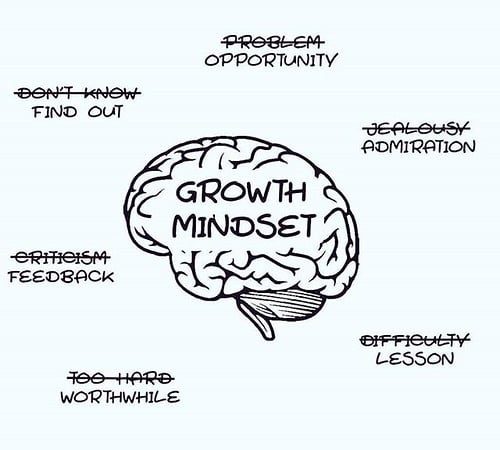
As a professional, it is vital for you to adopt a growth mindset, firmly believing that your abilities and skills can be developed through dedication, effort, and a willingness to learn. This mindset enables you to view challenges and feedback as opportunities for growth and development.
For instance, if you receive feedback on your presentation skills, instead of becoming defensive, view it as an opportunity to enhance your public speaking abilities. Seek resources such as public speaking workshops, online courses, or mentorship to actively work on improving your skills and transforming setbacks into valuable learning experiences.
By adopting a growth mindset, you position yourself to welcome new challenges and continuously improve your performance.
Set Clear and Measurable Goals

Setting clear and measurable goals is paramount for excelling in performance assessments. When goals are well-defined, they provide you with a sense of direction and focus, enabling you to align your efforts with the organization’s vision and demonstrate your commitment to achieving results.
As an example, if you are responsible for sales, you might set a goal of increasing your sales revenue by 15% within the next quarter. This goal is specific, measurable, attainable, relevant, and time-bound (SMART), allowing you to track your progress and evaluate your performance effectively.
When you break down your larger objectives into smaller, actionable goals, you can maintain motivation and momentum throughout the assessment period.
Not sure how to set SMART Goals? Check out our FREE SMART Goal Wizard
Seek Regular Feedback

Being receptive to feedback is a key attribute of high-performing professionals. Actively seeking feedback from supervisors, colleagues, and team members throughout the year, rather than waiting for the formal performance assessment period, is crucial for continuous improvement.
Regular feedback discussions provide opportunities to identify blind spots, capitalize on your strengths, and make necessary adjustments. By proactively seeking feedback, you demonstrate a genuine interest in personal and professional growth.
Additionally, you can ask for specific feedback in areas you want to develop further, such as communication skills, leadership abilities, or project management. This proactive approach not only showcases your commitment to growth but also fosters open communication, collaboration, and trust within the team.
By incorporating feedback into your day-to-day work, you create a culture of continuous improvement and increase your chances of excelling in performance assessments.
Document Achievements and Milestones

To effectively showcase your accomplishments during performance assessments, it is essential to maintain a record of your achievements and milestones. Keeping a detailed log of completed projects, successful initiatives, and quantifiable results allows you to present concrete evidence of your contributions.
By documenting your achievements, you create a comprehensive overview of your performance and impact within the organization. For instance, you can highlight a successful project where you implemented a streamlined process, resulting in significant time and cost savings for the company. Include specific details, such as the project’s objectives, your role, the challenges you overcame, and the outcomes achieved.
Whenever possible, quantify your results, such as the percentage increase in efficiency, the revenue generated, or the cost savings realized. Numbers speak louder than words when it comes to performance assessments. Such documented achievements provide credibility and substantiate your claims during the assessment process, enabling you to effectively communicate your value and contributions to the organization.
Demonstrate Professional Growth

Professional growth extends beyond achieving targets and delivering results. It involves continuous learning, skill development, and expanding your knowledge base. As an ambitious professional, seek opportunities to enhance your expertise and stay updated with industry trends and best practices. Attend industry conferences, workshops, webinars, or seminars to acquire new knowledge, network with experts, and gain insights into emerging trends. Pursue relevant certifications or advanced training programs to demonstrate your commitment to professional growth and development.
You can also go a step further and take on challenging projects or responsibilities that push you outside your comfort zone, allowing you to develop new skills and broaden your experiences. When discussing professional growth during performance assessments, emphasize the specific steps you have taken to enhance your skill set and contribute to the organization’s success. By showcasing your dedication to continuous learning and improvement, you position yourself as a valuable asset to the organization.
Emphasize Collaboration and Leadership

Effective collaboration and leadership skills are highly valued in the workplace, and they are not limited to managers. Remember, your title does not make you a leader, your actions do. Demonstrating your ability to work well with others and lead teams towards common goals is essential for excelling in performance assessments. For instance, successfully leading a cross-functional team to achieve a common objective showcases your collaborative, communication, and problem-solving skills.
Share examples of how you have fostered collaboration, facilitated productive teamwork, and resolved conflicts within your team. Highlight instances where you have mentored or coached junior team members, helping them excel in their roles and achieve their professional goals. You can also demonstrate your leadership skills by taking ownership of your tasks and becoming a subject matter expert. Remember, leadership can be applied to people as well as tasks.
By showcasing your collaborative and leadership skills, you position yourself as someone who can effectively contribute to the organization’s success, both individually and through teamwork.
Act on Constructive Feedback

Feedback, even if it includes areas for improvement, is a valuable resource for growth. Actively engage with the feedback provided during performance assessments and create an action plan to address the identified areas of development. Reflect on the feedback received and identify specific steps you can take to enhance your skills or overcome any performance gaps.
For example, if you receive feedback suggesting the need to enhance your project management skills, consider enrolling in project management training programs, attending workshops, or seeking guidance from experienced project managers. Demonstrating a willingness to act on feedback displays a growth mindset and a commitment to self-improvement. When discussing your action plan during the performance assessment, clearly articulate the steps you have taken or plan to take to address the feedback received.
By showcasing your proactive approach to personal and professional development, you reinforce your dedication to excellence and continuous improvement.
Conclusion
In conclusion, excelling in performance assessments requires you to adopt a growth mindset, set clear and measurable goals, seek regular feedback, document achievements, emphasize professional growth, and demonstrate collaboration and leadership skills. By following these strategies, you position yourself for success and professional excellence.
As Albert Einstein once said, “Strive not to be a success but rather to be of value.”
Share this article with your colleagues, and I encourage you to leave a comment below, sharing how you plan to excel in your next performance assessment.






 Sign up for the
0 Comments