
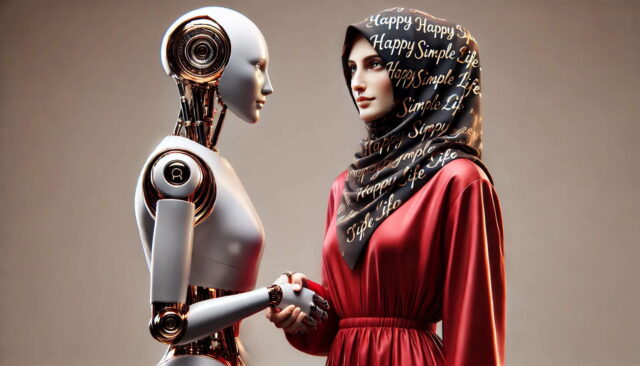
Artificial Intelligence (AI) is everywhere. It helps us shop online, suggests what to watch, and even writes articles. AI can analyze data faster than any human, but does that mean it can replace us? The truth is, AI is not perfect. It still needs human judgment to guide it. While technology can be a powerful tool, it does not have emotions, creativity, or the ability to truly understand the world. That is why human involvement is essential in making AI work correctly.
AI Lacks Creativity and Emotion
AI can generate art, music, and stories, but there is something missing—heart. It can copy patterns, but it does not feel emotions or personal experiences. When I write, I often think about my life, like moving from Kenya to Canada or learning to cook with my mother. These moments make my writing real and meaningful. AI cannot do that because it does not have a life story or emotions.
Imagine a song written by AI. It may have the right melody and lyrics, but without human emotion, can it truly touch our hearts? Creativity comes from human experiences, struggles, and dreams.
AI can be a helpful tool, but it lacks the depth and originality that come from human creativity and experiences.
Making Difficult Decisions Requires Humans
AI is great at giving answers based on data, but it cannot make hard choices that require kindness and understanding. Take caregiving, for example. AI might help create a care schedule for an elderly person, but can it notice when they are feeling lonely or anxious? No. That requires a human touch.
When I worked as a lunchroom supervisor, I had to step in when children had conflicts. AI could suggest a rule to follow, but it would not understand the emotions behind the situation. People bring warmth, compassion, and fairness—things AI simply cannot provide.
AI Cannot Fully Understand Context and Culture
One major flaw of AI is its lack of cultural awareness. AI can translate languages, but it does not truly understand cultural meanings. When I edited a community magazine, I carefully chose words that would resonate with the audience. AI might have provided similar words, but it would not understand the deeper meaning behind them.
For example, humor is different in every culture. What is funny in one language may not be in another. AI struggles with this because it does not understand emotions, traditions, or social norms. Humans bring that understanding, making communication more meaningful.
Humans Must Guide AI to Be Fair and Ethical
One of the biggest concerns with AI is fairness. AI learns from data, but if that data has bias, AI will also be biased. For example, AI used in hiring processes has been found to favor certain groups over others. Why? Because it was trained on biased data. Without human judgment to correct this, AI can make unfair decisions.
That is why ethics and responsibility are important. AI does not know right from wrong. Humans must set rules, review decisions, and ensure fairness. We cannot let AI make important choices without human oversight.
AI Cannot Learn from Life Experiences
AI can update its data, but it does not learn from real-life experiences the way we do. People grow by facing challenges, making mistakes, and learning from them. When I started volunteering, I had to learn new skills by doing them. I made errors but improved over time. AI does not have this ability.
A chef does not just follow a recipe—years of practice help them perfect a dish. A teacher does not just read from a book—they adjust to their students’ needs. AI can provide information, but only humans can apply wisdom gained from life.
The Future: AI and Humans Working Together
So, what does this mean for the future? AI will continue to evolve, but it will always need people. AI can help us save time, organize data, and make suggestions, but humans bring heart, creativity, and judgment. Instead of fearing AI, we should see it as a tool to support us. The best results come when AI and human intelligence work together.
If we use AI wisely, it can improve our lives. But we must never forget that it is just a tool. It is up to us to guide it, make fair decisions, and bring the human touch to everything we do.
“It is not what you look at that matters; it is what you see.” – Henry David Thoreau
What do you think? Do you trust AI to make big decisions? How do you think humans and AI should work together? Share your thoughts below!
Do not forget to subscribe to the Free Happy Simple Life VIP club for more inspiration. Encourage others by sharing this article, and follow us on social media if you have not already!






 Sign up for the
0 Comments